Why Quality Matters in Faith-Based Film Production
- Anthony De La Rosa
- Mar 26
- 5 min read

For a long time, there has been a bit of a "wink and a nod" when it came to Christian movies. We loved the message, but we often had to look past the shaky acting, the questionable lighting, and scripts that felt more like a Sunday school lesson than a cinematic experience. At Copeck Digital Media Group LLC, we believe that the greatest story ever told deserves the greatest storytelling possible.
In 2026, the digital landscape has shifted. Audiences: both inside and outside the church: are savvy. They are used to high-definition visuals, immersive soundscapes, and complex character arcs. If we want to capture their attention and, more importantly, their hearts, we have to talk about why quality isn’t just a "nice-to-have" in faith-based film; it’s a modern necessity for effective ministry.
The Reputation Shift: Moving Beyond "Cheesy"
Historically, faith-based films have struggled with a reputation for being "second-rate." Critics often dismissed them as preachy or poorly produced. When a film prioritizes a lesson over artistic excellence, it often loses the very audience it is trying to reach. If a viewer is distracted by a boom mic dipping into the frame or a wooden performance, they aren't engaging with the Gospel message; they are just waiting for the credits to roll.
However, we are seeing a massive turning point. Recently, faith-based films have seen a steady uptick in critical reception. Studios are finally putting real resources behind Christian directors, hiring seasoned actors like Patricia Heaton and Zachary Levi, and trusting writers to tell stories with "more complicated heroes and honest portrayals of life." This shift is crucial because it builds credibility. When the production value matches the weight of the message, the message is finally allowed to shine.

The Excellence Mandate: A Theological Perspective
From an educational standpoint, we often look at quality through the lens of stewardship. If we believe that our creative talents are gifts from God, then honing those talents is an act of worship. There’s a theological concept here: excellence honors God and inspires people.
When we produce high-quality media, we are reflecting the nature of a Creator who built a world with intricate detail and stunning beauty. Whether you are working on a small commercial project or a feature-length film, the goal should be the same: to do it heartily, as unto the Lord. High standards in cinematography, sound design, and editing are not about vanity; they are about removing the obstacles between the viewer and the Truth.
Breaking the Barrier to the "Unchurched"
One of the biggest goals of Christian media is outreach. But let’s be honest: someone who doesn’t share our faith is unlikely to sit through a film that feels like a low-budget lecture. Quality is the bridge.
When a film is visually stunning and emotionally resonant, it gains a "seat at the table" in secular culture. Consider the success of the Kendrick Brothers. Their recent film The Forge achieved a rare A+ CinemaScore. This isn't just because the message was good; it's because the filmmaking was professional enough to compete with mainstream productions.
By achieving professional production standards, faith-based films can:
Build Trust: High quality signals to the audience that the creators are serious and professional.
Encourage Empathy: Professional acting allows the audience to see themselves in the characters’ struggles.
Improve Immersion: Great sound and visuals keep the audience "in the moment," making the spiritual payoff much more impactful.
Key Elements of High-Quality Production
So, what does "quality" actually look like in a faith-based context? It’s more than just buying an expensive camera. It’s about the intentionality behind every frame.
1. Authentic Writing
The "preachy" stereotype usually comes from the script. Quality writing avoids easy answers and "cookie-cutter" characters. It acknowledges that life with Christ involves struggle, doubt, and growth. By exploring the vision of Christian media through honest storytelling, we create something that feels real to the viewer.
2. Professional Cinematography and Lighting
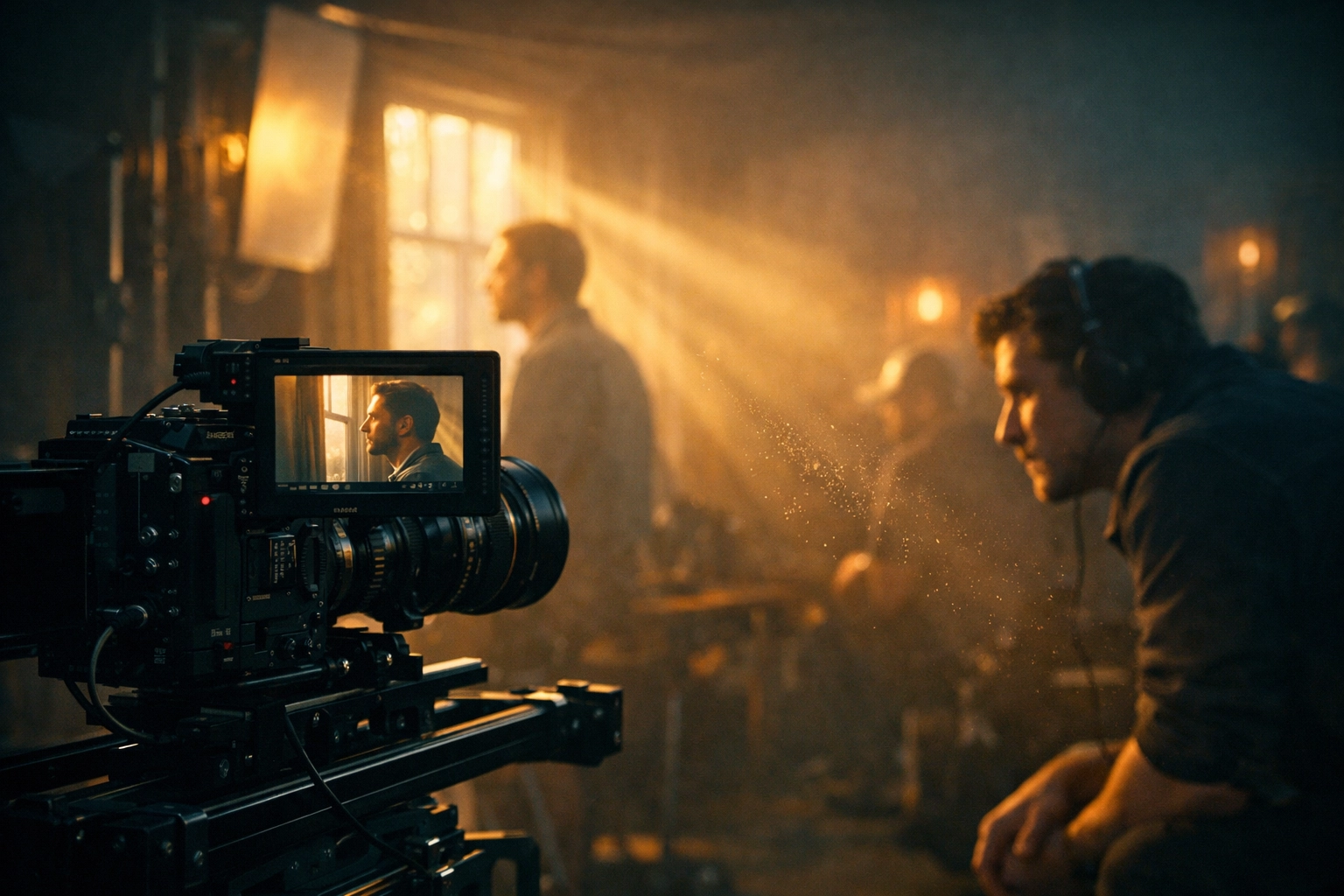
Lighting is one of the quickest ways to tell if a film is "indie" or "pro." Good cinematography uses light and shadow to tell a story visually. It sets the mood: whether that’s the warmth of a community gathering or the stark contrast of a spiritual crossroads.
3. Sound Design and Score
You can forgive a slightly blurry image, but you will never forgive bad audio. High-quality sound design: from the crispness of the dialogue to a moving musical score: is what truly drives the emotional engine of a film.
4. Intentional Casting
Casting isn't just about finding someone who looks the part; it's about finding someone who can carry the emotional weight of the journey. Professional acting brings a level of nuance that makes the spiritual transformation of a character feel earned rather than forced.
Practical Ways to Level Up Your Media Projects
If you are a creator or a church leader looking to improve your media output, here are some actionable steps to ensure your quality reflects your mission:
Invest in Education: Don’t just buy gear; learn how to use it. Understand the "why" behind camera angles and lighting setups.
Prioritize Pre-Production: Spend more time on your script and storyboards. A well-planned shoot is a high-quality shoot.
Collaborate with Pros: You don't have to do it all alone. Partnering with a professional production group can bridge the gap between a "good idea" and a "great film."
Focus on the "Small" Things: Clean audio and color grading can make a world of difference in the final product.
Feedback Loops: Show your work to people outside your immediate circle to get an honest perspective on whether the story is landing.

Representing the Faith in a Modern World
In today’s digital landscape, we are bombarded with content. To stand out, Christian media must be excellent. We aren't just competing with other "religious" content; we are competing for screen time with everything else on a viewer's phone or television.
When we commit to quality, we are saying that our faith is worth the effort. We are saying that the stories of redemption, grace, and hope are important enough to be told with the highest level of craft possible. This commitment helps us address real-life concerns that resonate with audiences seeking culturally relevant storytelling. You can read more about this in our post on the impact of Christian media today.
Looking Toward the Future
The future of faith-based film is bright. As technology becomes more accessible, the barrier to entry is lowering, but the bar for quality is rising. We are moving into an era where "Christian film" will no longer be its own sub-genre with lower expectations, but a powerhouse of storytelling that commands respect across the entire industry.
At Copeck Digital Media Group LLC, we are excited to be part of this movement. Whether through film, animation, or digital content, our goal is to keep the faith at the center while pushing the boundaries of what is possible in production. By focusing on excellence, we ensure that the light of the Gospel is seen clearly, without the distraction of a "second-rate" presentation.

If you’re ready to take your project to the next level, check out our pricing plans or browse our blog for more tips on navigating the world of faith-based media. Let’s create something that truly honors the Message.
Comments